
AEDs with ECG Display: All the Information
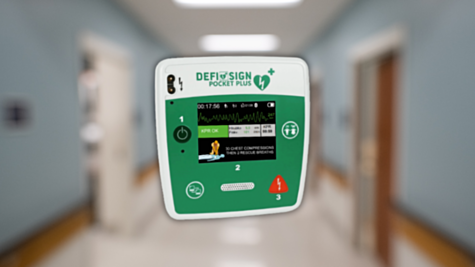
A defibrillator with an ECG display is an advanced medical device that combines defibrillation with real time visualization of the electrocardiogram ECG on a screen. These AEDs with ECG capability are advanced devices that, in addition to delivering an electrical shock defibrillation during cardiac arrest, also allow the electrical activity of the heart to be monitored and displayed in real time.
They are mainly used by healthcare professionals, such as physicians and emergency responders, in emergency situations to diagnose cardiac arrhythmias and determine whether an electrical shock is required.
Key Features of a Defibrillator with ECG
A defibrillator with an ECG display combines resuscitation with advanced monitoring. The main functions include:
- ECG display
The device shows the patient’s heart rhythm in real time. This enables medical staff to quickly and accurately diagnose arrhythmias such as ventricular fibrillation or ventricular tachycardia. - Manual and automatic mode
Depending on the type of device, the defibrillator can operate fully automatically AED mode, where the device analyzes the rhythm and indicates whether a shock is required. Some models with ECG capability also include a manual mode, allowing the responder to decide when to deliver a shock. - Pacemaker function
Certain defibrillators also have a temporary external pacemaker function, which supports the heart when its rhythm is too slow. - CPR feedback
Thanks to built in sensors, some models provide feedback on the quality of chest compressions. This helps responders perform CPR as effectively as possible. - Alarms and warnings
In the event of abnormal heart rhythms, such as asystole or ventricular fibrillation, the device can emit visual and audible alerts to immediately warn the responder.
Advantages of a Defibrillator with ECG Display
- Continuous monitoring
Real time visualization of the heart rhythm allows ongoing assessment of the patient. - Accurate and rapid diagnosis
Medical professionals can correctly interpret ECG tracings and quickly decide whether defibrillation or other interventions are required. - Greater control
Compared to fully automatic defibrillators, devices with an ECG display allow professionals to tailor interventions to the patient’s clinical condition. - Greater versatility
Compared to basic automatic defibrillators, ECG equipped devices offer more options for personalized intervention.
Areas of Use
Defibrillators with ECG displays are versatile devices used in a wide range of medical settings. Their advanced features make them particularly suitable for professional responders who need to closely monitor patients and intervene quickly. Key application areas include:
- Ambulances and emergency services
Used by paramedics and nurses to monitor and treat cardiac arrest and other emergencies on site. - Hospitals
In emergency departments, intensive care units and cardiac care units, defibrillators with ECG displays are essential for continuous monitoring and rapid intervention. - Clinics and medical practices
Can be used to monitor and treat patients with an increased risk of cardiac problems.
Example of Use
Imagine an emergency situation in which someone suffers a cardiac arrest. With an AED equipped with an ECG display, once the electrodes are applied, the responder can immediately follow the heart rhythm on the screen. This allows the situation to be analyzed quickly and a decision to be made about if and when an electrical shock is required. This increases both the effectiveness of treatment and the patient’s chance of survival.
This type of defibrillator is more complex to use than automatic devices intended for the general public, but it is an indispensable tool for professionals in emergency medical care.
Well Known Models with ECG Function
Some examples of defibrillators with an ECG display include:
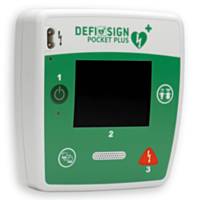
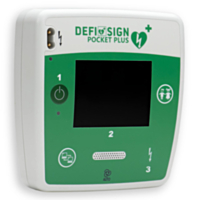
These devices are generally more expensive than basic defibrillators, but they offer a much higher level of monitoring and intervention.
The term “ECG display” is commonly used and is therefore also used in this article. However, in this context, “rhythm monitoring” is the more accurate term.